Are you suited to working for yourself? Six questions tell you more than your personality does
Suitability is not a type you were born into. It is a set of habits: some you have, some you can practise, and some a tool could carry once you set it up.
Are you suited to working for yourself? You can spend hours taking personality tests to find out, but they cannot tell you what happens on an average day, when clients are constantly ringing you for answers, the money has not come in, and there is nobody else to make the crucial decisions.
Working for yourself asks for more than a certain personality. You need to make decisions, build ways of working, get your work out into the world, look after your energy and keep learning when nobody is telling you what to do next.
However, suitability isn't a type you are simply born into. It is a set of habits. Some you already have, some you can practise, and a growing number can be handed to a tool once you have set it up.
This isn't about lists or being "meant" to work for yourself. Those lists ask how you feel about being told what to do, whether you love taking risks, or whether you would happily work all weekend if it meant being your own boss.
Those feelings can tell you something. They can even point to real problems. When you work alone, nobody gives you a routine, chases an unpaid invoice or tells you that you have not taken a day off in weeks.
But feelings do not tell you whether you can handle the work. What matters more is what you actually do. Do you make decisions without someone pushing you? Do you build systems that make the work easier? Do you check your numbers, protect your time and keep learning when nobody is watching?
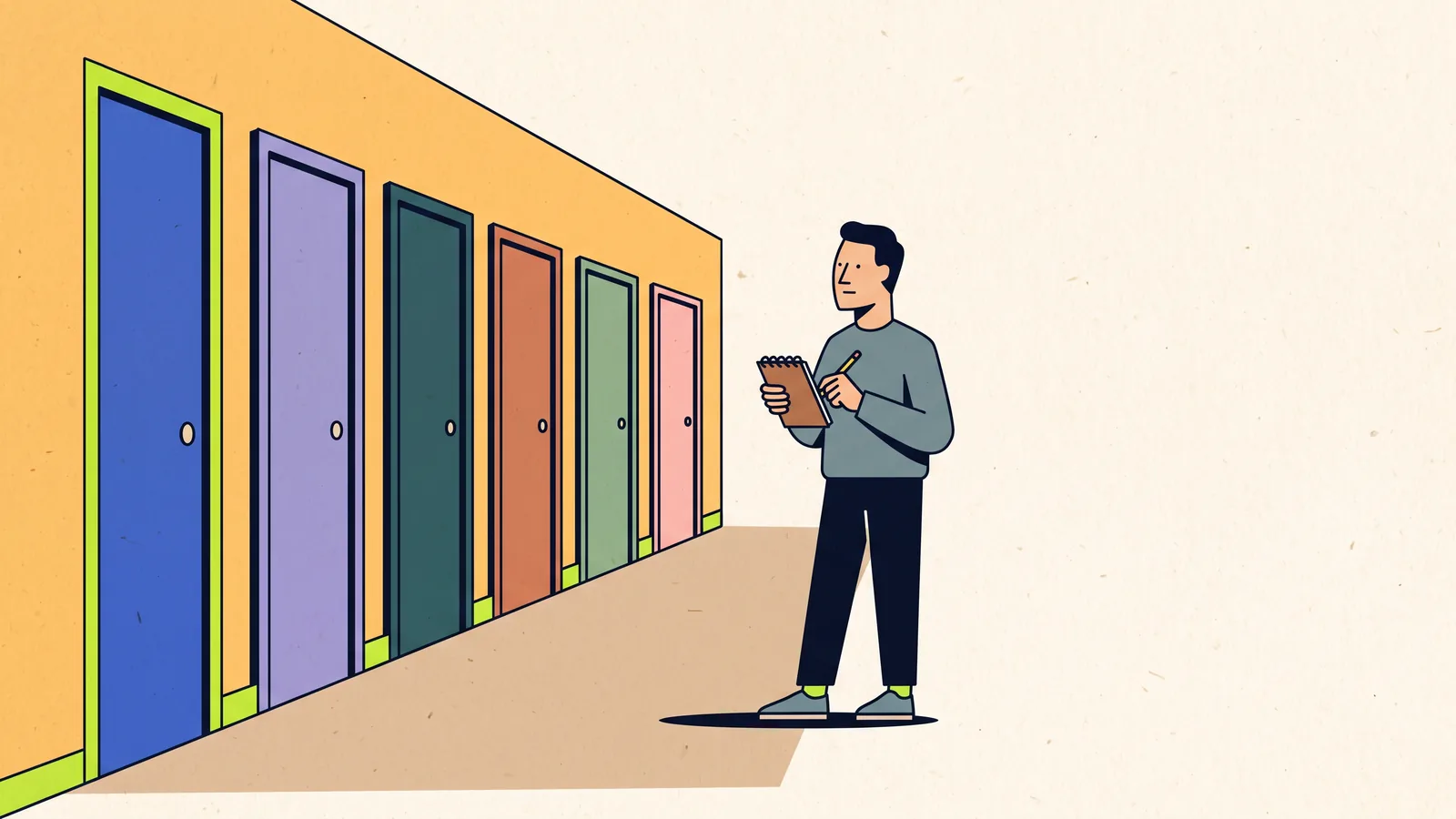
So start there. Work through the six questions we've outlined below and mark each one yes, not yet or would rather hand it over.
Then look at your not yet answers. If a tool can carry the work, that is a set-up problem, not a mark against you. If the work needs your judgement, attention or rest, those are the areas to work on before you go solo or during your first quiet month.
Six questions, one for each part of a solo business
Every one-person business has to get six things right. At Solobility we call them Direct, Design, Delegate, Distribute, Durable, and Develop, and each one can be asked as a plain question.
Do you know where you are going, and do you start without being pushed?
This is Direct. In an ordinary week, it means knowing who you help, what they can expect from you and what you need to do next. You do not need every detail worked out before you start.
The three habits here are yours to keep. No tool can decide what your business is for, and no tool can make you take the first step on a weekday morning when nobody is telling you what to do.
If you have already started something on the side, even a small thing, you have partly answered this one. The side business is the one useful sign the old lists get right. It shows you have already started doing the work rather than just thinking about it.
Do you have a shape to your week, or just a pile of tasks?
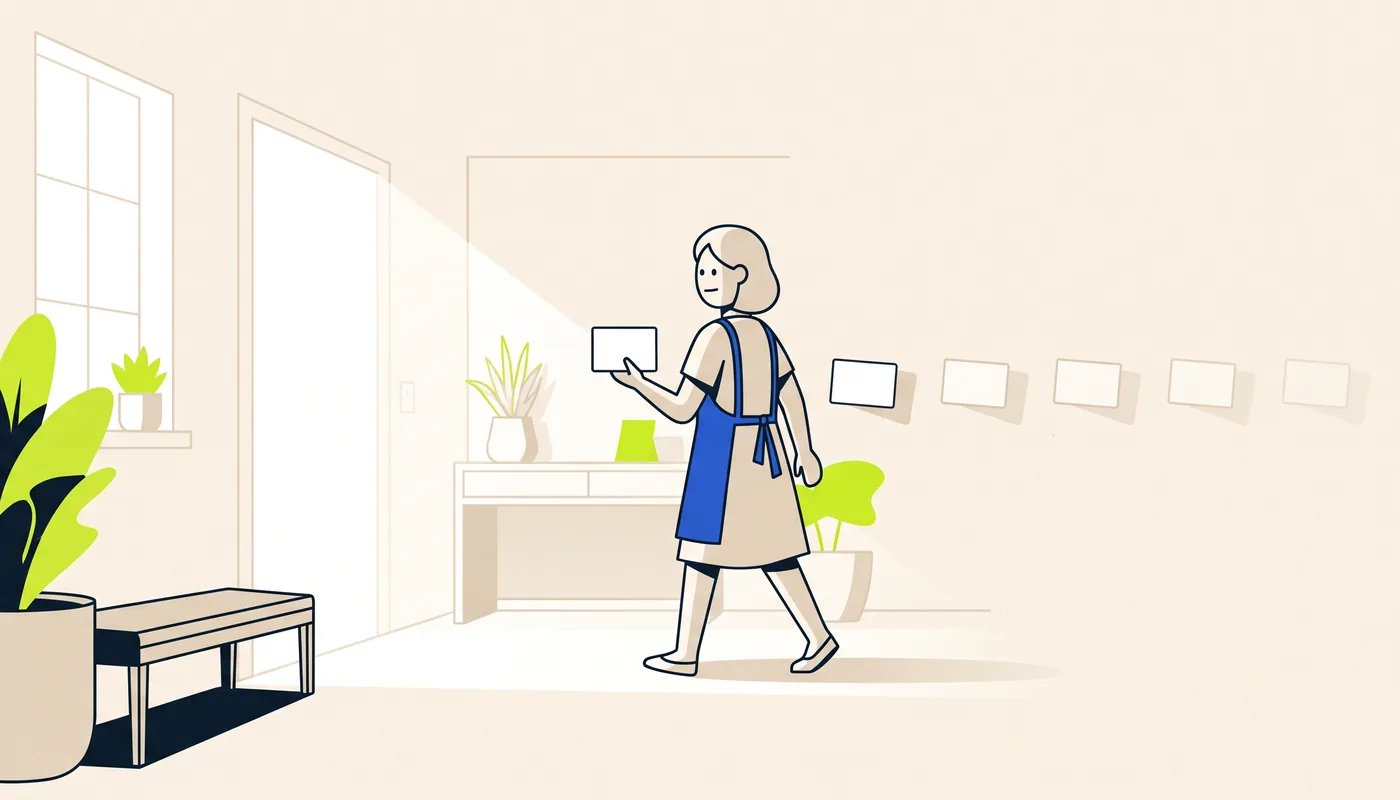
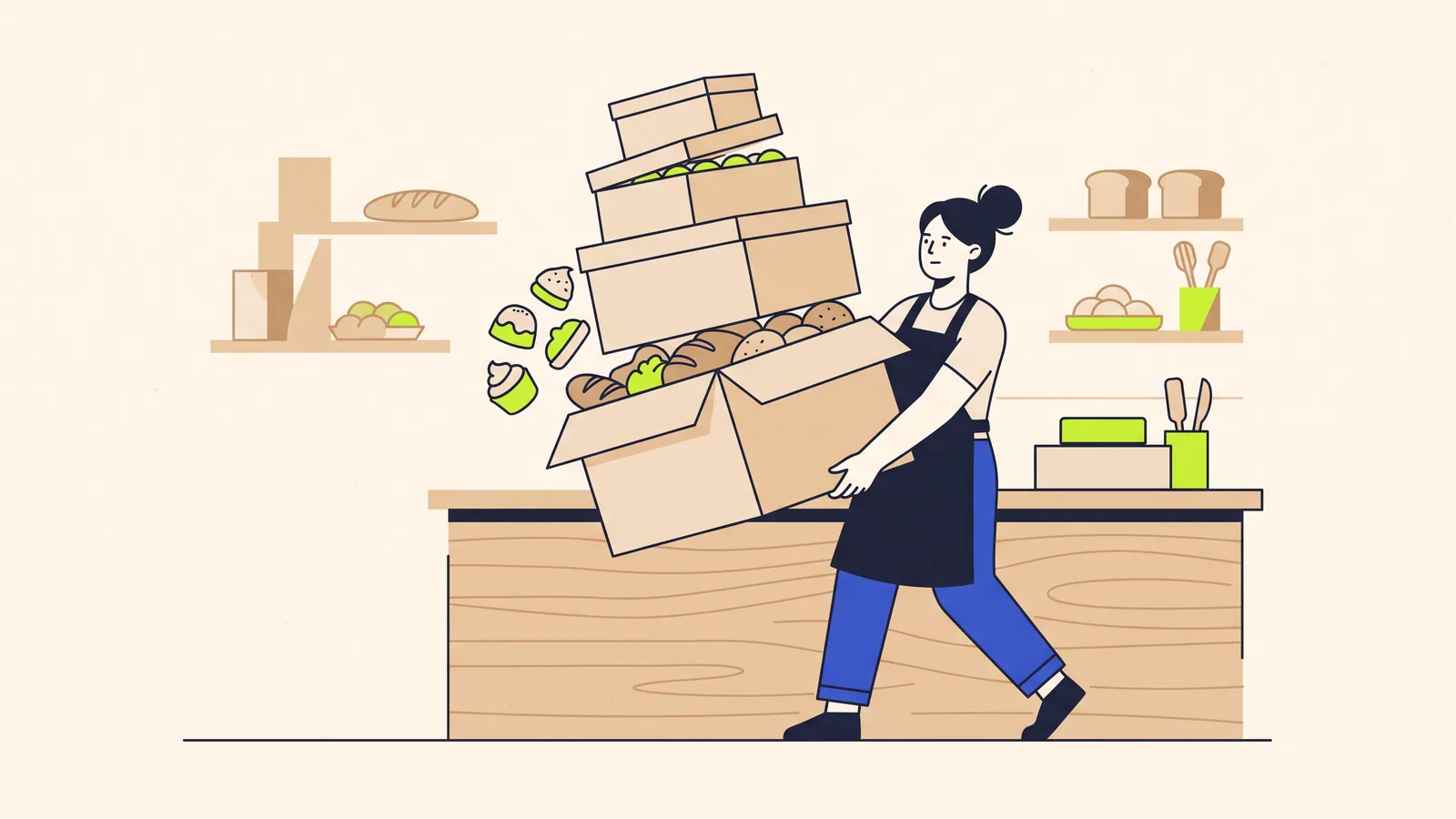
This is Design. When a cleaner uses the same checklist in every home, they are practising it, and so is a baker who packs every order the same way on any given day.
Two of the habits here could be shared with a person, a tool or an AI assistant, or carried by software, once you have written the steps down. You do not need a helper or an AI to score well. The note only says what could be handed off later, if you ever want to. Protecting your attention, turning the phone face down while you do the work that matters, stays with you.
Lists about who is "not cut out" for self-employment often treat needing a routine as a weakness. We see it differently. Wanting a routine can be a strength when you are the person who builds it.
What have you already handed to a tool, and did you check what came back?
This is Delegate, and it is the part of the question that has changed most in the last few years. Working alone no longer means doing everything on your own.
It means giving a clear instruction, splitting a job into pieces a person, a tool, or an AI assistant could take, and checking the result before you trust it. Giving the instruction and doing the check is your job, but learning the tool can be shared.
A short way to test yourself is to describe one routine task, like a follow-up message or a supply list, so clearly that a stranger could do it. If you can't, the gap is in the instruction, not in you. Our habit-by-habit map of what can go to AI has a three-question test for any task.
Can you get the work in front of people, name a price, and know what is left after costs?
Distribute is when you get your work in front of people and make sure you get paid. It is where most people who worry about being "not the type" are really worried. Talking about your work and finding customers can both be shared, with a person, tool or AI assistant helping with the drafting and reminders.
Naming a price can be shared, but saying it out loud is your job. If a florist prices a wedding order by feel and then discounts it to win the job, the missing habit is not confidence. It is checking the price against the costs and hours before quoting.
Knowing your numbers is one of only two habits in the whole model that tools could carry almost entirely. Software can track money in and money out, and you still need to read it and understand it.
Can you last the distance on your own?
This is Durable, and it is where the usual sign lists get it most wrong. They treat wanting to work rather than relax as proof that you are suited to working for yourself. But when nobody else shares the load, that habit can wear you down and make the business harder to sustain. It is also where solopreneur burnout most often sits.
The three habits here are recovering from a hard day, making room for rest and staying connected. They are all yours to keep, and obviously, no tool can take a break for you.
Are you getting better faster than the world is changing?
Develop is when you try a small change, notice what happens and drop a method that has stopped working without making a drama of it.
Learning by doing can be shared, because a person, a tool or an AI assistant could sort your notes and suggest what to check. Changing course and seeing yourself clearly cannot.
Which "no" matters most
Count your not-yets, then sort them. Eight of the twenty habits are marked "can be shared" or "can be handed to tools", including making work repeatable, learning new tools, talking about your work, naming your price, and knowing your numbers.
A "no" to any of those is often an easy set-up job.
The other twelve are yours to keep, and they are the ones about deciding, starting, instructing, checking, and looking after yourself. Our rule of thumb is that two or more not-yets in that group are the honest reason to wait, or to go anyway and work on one of them in your first month. All twenty habits, with the note on each, are on the framework page.
The key is to hand over work, not responsibility. A tool can chase the invoice, but deciding to send it, and understanding what the number means, is your job.
What a test can and cannot tell you
Whether or not your business will work cannot be predicted by a mere seven-minute test, and ours is no different. What a structured self-check does is put your habits in one place so you can see them, which is precisely what our test does.
Entrepreneur tests do something different and do it fairly well. They measure drive to scale, appetite for risk, and the wish to lead a team. We have compared the well-known ones honestly, including where each beats ours.
If you are weighing building a company with staff and investors against working alone, an entrepreneur test is the better tool for that choice. Solobility measures how you run the business you have and treats wanting to stay small as a choice, not a weakness.
If you want an honest look at the six areas above, take our free seven-minute test. It asks 60 short statements plus five choice blocks, needs no account, and your answers stay on your device.
What personality is best for self-employment?
There isn't one. Just over 4.5 million people in the UK alone work for themselves, on the Office for National Statistics count for April to June 2026, and they come from every background and every temperament.
The personality question is often really a Distribute question in disguise. What people usually mean is "Do I have to be loud to sell?" The answer is no. Much of Distribute can be shared with a person, tool or AI assistant. What stays with you is making a clear offer and stating a clear price.
That is why we sort people by their strongest area rather than by temperament. Your strongest area gives you a Solo Style, and there are six, which are the Navigator, the Architect, the Conductor, the Messenger, the Anchor, and the Explorer.
Working alone has six shapes. A Conductor who runs a business on clear instructions and careful checks is as suited as a Messenger who shows the value and names the price, and each has a different way of going wrong.
You can read about all six on the styles page. Two people with the same style can run very different businesses, and your own style can move as your habits move.
Can an introvert run a business alone?
Yes. Of the twenty habits, only three are about being around other people. These are talking about your work, going where customers are, and staying connected.
The first two are marked "can be shared", so a person, a tool or an AI assistant could draft the post and send the reminder while you decide what is true and what the price is. The third is yours to keep, and it is the one an introvert working alone should watch, because it is the easiest to let slide.
Is working alone bad for you?
It can be, if the Durable habits are missing. In a Leapers survey of 715 UK freelancers run in November and December 2024, 71.9 per cent said they had felt isolated or lonely sometimes or frequently during the year, and 33 per cent said frequently.
The habits that answer that are small and specific. For example, when a tutor leaves gaps between lessons and rings another tutor after a hard day, they are practising two of the three Durable habits, and this kind of connection can be invaluable.
The next step
Go back to the six questions and pick the single "not yet" that is yours to keep. Do the smallest version of it this week, like writing the one-sentence goal, making the one decision you have been putting off, or setting an absolute stopping time for Friday.
If you would rather see all twenty habits scored at once, our free test takes about seven minutes, and you can retake it after 90 days to see if there are any improvements. Whether you end up as a solopreneur or an entrepreneur matters less than how the business runs.