Personality tests for entrepreneurs, compared honestly, and the gap when there is no team
Seven well-known tests plus ours, on three questions no roundup asks: what does it measure, does it assume a team, and does it say what a tool could carry?
Personality tests can tell you a lot about how you tend to work, but they can also tell you very little about whether you will run a business well.
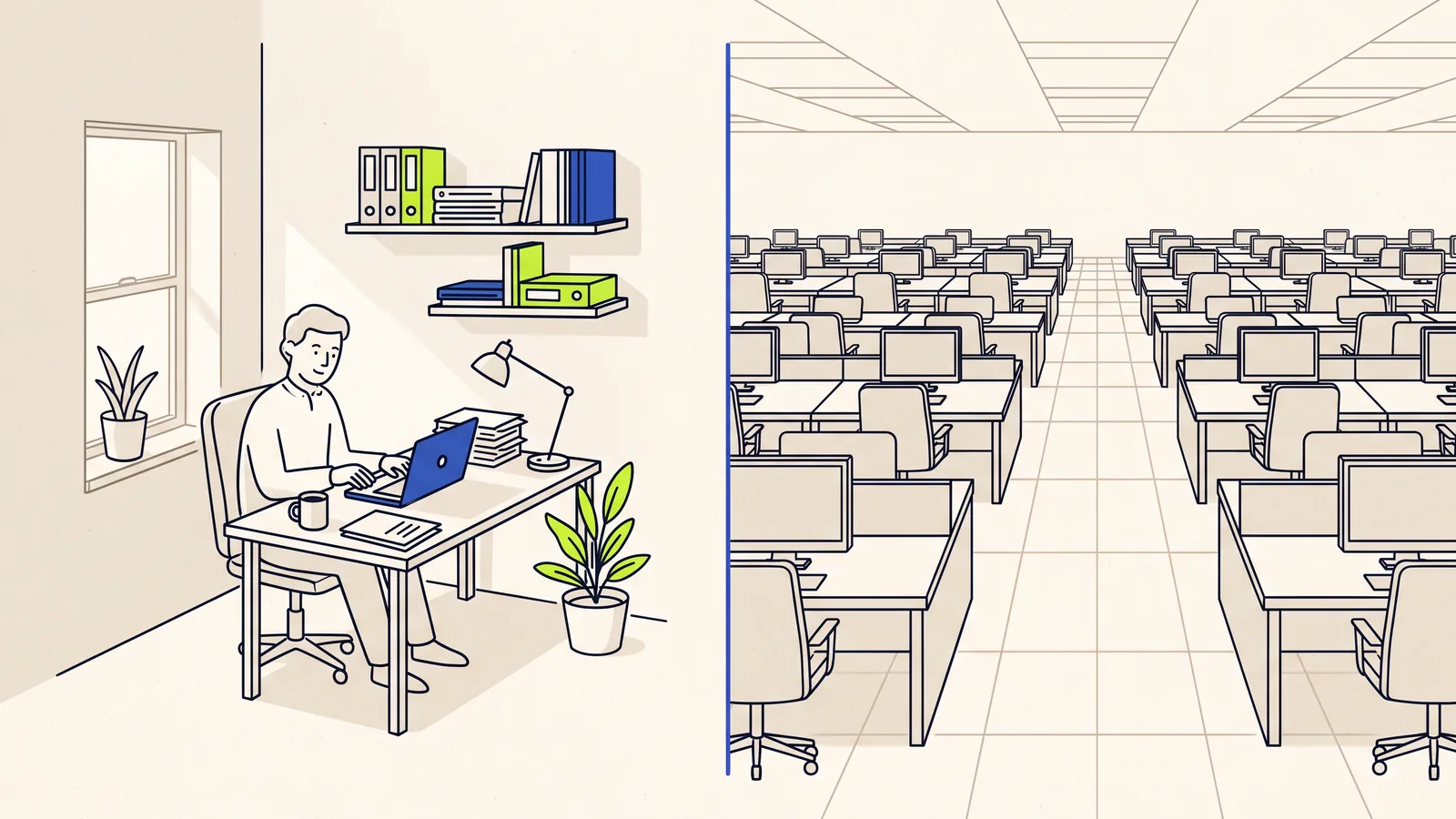
That matters because most entrepreneur tests make the same assumption. There is a team somewhere in the picture. Your strengths get balanced by someone else's. Your blind spots get noticed by a colleague. A weakness in one area can become someone else's strength.
When you work alone, there is nobody waiting to fill the gap.
That does not make personality tests worthless. The better ones can give you a useful way to understand your preferences, how you approach decisions and where you might need to watch yourself.
For example, if you want the picture of your traits with the strongest research behind it, take a Big Five test, and Commit Action's is free. If you want a shared vocabulary for your talents, you can pay Gallup for CliftonStrengths.
If you want to know whether you resemble founders who scale, the Founder Institute's Entrepreneur DNA and BDC's self-assessment are built for exactly that.
And if you want to see how you actually run a one-person business in an ordinary week, that is exactly what we built Solobility for, and it is not a personality test.
16Personalities is fine for a Sunday afternoon and a label to put in your bio. Hold the label lightly.
The reasons come later.
Here is how the well-known tests line up against three questions that no roundup asks. So, what does it measure, does it assume you have a team, and does it say anything about which work you can hand to tools?
The comparison in one table
Here are the seven tests people search for most, plus ours, on those three questions.
| Test | What it measures | Time and cost | Assumes a team? | Says what tools can carry? |
|---|---|---|---|---|
| 16Personalities | Temperament on five scales, reported as a four-letter type plus A or T | About 10 minutes, free, no account | No, but the career pages lean on colleagues and managers | No |
| Big Five tests (Commit Action, Gyfted) | Five broad traits | Commit Action: 15 minutes, free, 10+ page report | No | No |
| CliftonStrengths | 34 talent themes in four domains | 30 minutes, US$24.99 for your top five, US$59.99 for all 34 | Yes, most of the follow-on material is about managers and teams | No |
| Gallup Builder Profile 10 | Ten builder talents, three builder roles | Paid, via the Gallup store | Yes, one of the ten talents is Delegator | No |
| Founder Institute Entrepreneur DNA | 25 dimensions on a Big Five base, nine founder profiles, a Founder Score | About 30 minutes, sign-up with name and email | Yes, the reference group is accelerator applicants | No |
| BDC entrepreneurial potential self-assessment | Ten traits under motivations, aptitudes and attitudes, against a band of entrepreneurs | 50 statements, about 10 minutes, free | Partly, traits include leading others | No |
| Psychology Today Entrepreneurship Test | Ambition, creativity, problem-solving, risk-taking, stress tolerance, confidence | 20 questions, 3 minutes, free snapshot, paid full report | No | No |
| Solobility | Twenty habits in six areas, with a hand-off rating on each | About 7 minutes, free, no account | No, built for one person | Yes, every habit is marked yours to keep, can be shared, or can be handed to tools |
Prices are in US dollars as shown on the publishers' pages on 20 September 2026 and will change.
16Personalities: the most popular, and the most misunderstood
16Personalities is the test most people mean when they say "MBTI", but it is not the MBTI. Its own theory page says it has "not incorporated Jungian concepts such as cognitive functions" and instead "reworked and rebalanced" the Big Five traits, adding a fifth scale, Identity, on top of Mind, Energy, Nature and Tactics.
It takes about ten minutes, needs no registration, and runs in 49 languages.
That reach is a criterion on which it beats Solobility outright. We are in English only.
What it does well is give you a vocabulary. If you have never thought about whether you refuel alone or with people, the type description will feel right, and that is useful for a first look at yourself.
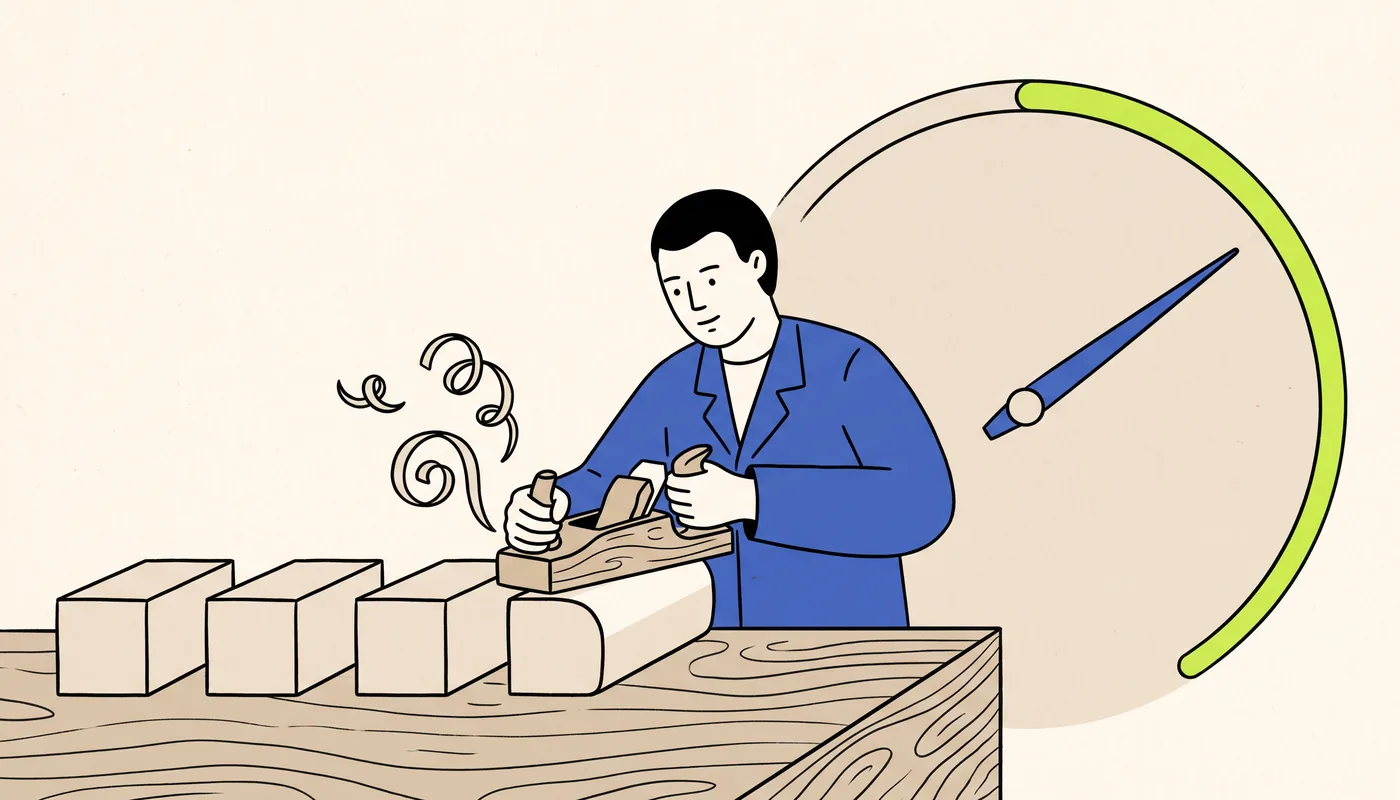
The trouble is the four letters. Underneath, the test scores you on continuous scales, and then it rounds you to one side of each line, so someone just over the line and someone far past it get the same letter.
That rounding is the core of the academic criticism of the Myers-Briggs format. Pittenger's 2005 review in Consulting Psychology Journal argued that the type formula implies distinct types where the scores are continuous, that classifications shift on retest, and that the Big Five has the stronger evidence for predicting behaviour at work.
The publisher of the official MBTI disputes the reliability point and reports test-retest coefficients of 0.81 to 0.86 across all four scales in 1,721 adults retested after six to fifteen weeks.
Both can be true. The underlying scales can stay fairly stable, while the letter you get can change if your result sits close to the midpoint.
So, is 16Personalities accurate? Simply put, the scores are more reliable than the letters, and the letters are more trustworthy than any list of "businesses for your type".
Which MBTI type is the best entrepreneur? None of them
There is no good evidence that one four-letter type makes a better business owner than another. The research that does exist tends to look at personality traits, not four-letter types.
Two meta-analyses by Zhao and Seibert carry most of the evidence.
The 2006 one pooled 23 studies and found that entrepreneurs, compared with managers, scored higher on conscientiousness and openness and lower on neuroticism and agreeableness, with no difference on extraversion. The effect of each trait on its own was small, and the five together reached a multivariate R of 0.37, which the authors called moderate.
The 2010 follow-up, with Lumpkin, pooled 60 studies on entrepreneurial intentions and performance. Four of the five traits related to both, and agreeableness related to neither.
The multiple R was .36 for intentions and .31 for performance. Risk appetite predicted wanting to start a business but not how the business did.
Personality explains a real but modest share of who starts a business and how it goes, and the rest is circumstances, skill, timing and what you do each week.
That is why choosing a business from your letters, the way the "best business for each type" articles tend to suggest, has the logic backwards. An introvert can run a bakery counter, and plenty do, because serving at a counter is a habit you can practise.
Big Five tests: the best evidence, the least guidance
If you want a trait picture you can trust, a Big Five test is the one to take, because the model behind it is the one the meta-analyses above used. Commit Action's version is free, takes 15 minutes, is built on the Five-Factor Model and returns a "10+ page report" covering 15 facets.
Gyfted runs a free entrepreneurial quiz on the same five dimensions. Either will tell you, with some confidence, where you sit on openness, conscientiousness, extraversion, agreeableness and emotional stability.
On the strength of its underlying model, a Big Five test beats Solobility, and we openly say so on our own framework page. We have no validated trait model, and we do not claim one.
What a Big Five test does not do is tell you what to change on any given day. Knowing you are low on conscientiousness is a diagnosis without a prescription, and Commit Action's answer to that is coaching, which is what the free test is there to sell.
CliftonStrengths: the deepest map, drawn for teams
CliftonStrengths ranks 34 talent themes across four domains: Strategic Thinking, Relationship Building, Influencing and Executing. It is a 30-minute run of paired statements where you pick the one that describes you better.
Your top five costs US$24.99, and the full 34 costs US$59.99, on Gallup's store. Upgrading from five to 34 later costs US$49.99.
That depth is where it beats Solobility. Thirty-four ranked themes understandably carry more detail than our twenty habits.
The theme names (Activator, Deliberative, Woo) are precise, and a large ecosystem of coaches and books speaks the same language, which is worth the money if you ever hire or partner.
However, its limits for someone working alone are built in. The follow-on products focus on managers, leaders, sales teams and students. The themes describe your talents and preferences, but not what you actually do. They also do not ask which parts of the work you could stop doing by hand.
Gallup's Builder Profile 10: the entrepreneur version
Gallup's Builder Profile 10, which older articles still call the Entrepreneurial StrengthsFinder, scores ten builder talents (Confidence, Delegator, Determination, Disruptor, Independence, Knowledge, Profitability, Relationship, Risk and Selling), then sorts you into one of three roles, Rainmaker, Conductor or Expert. Gallup sells it through its store.
Two of those talents, Profitability and Selling, go straight at money in a way that personality tests avoid.
That is the criterion on which it beats Solobility. We ask whether you name your price and know your numbers, but Gallup's Profitability talent is a sharper probe of whether you think in margins at all.
The rest of the list tells you who it is for. Delegator is about handing work to people, Disruptor and Risk are about growth, and the three roles describe what you would contribute to a founding team.
Founder Institute's Entrepreneur DNA: the only one with an outcome dataset
The Entrepreneur DNA assessment takes about 30 minutes and asks for your name and email before you start. It sits on a Big Five base, uses forced-choice questions because that format has been "shown to curb instances of faking", scores 25 dimensions, and returns a Founder Score from 1 to 5, as its methodology page sets out.
That score is checked against how people later perform inside the Founder Institute's own programme, and the methodology page reports that 85.1 per cent performed at or above their predicted score. They dropped IQ items after finding "no predictive correlations".
On evidence, it beats Solobility outright. Their site says more than 250,000 entrepreneurs have taken the test, and the scores are checked against how those founders later performed.
We have none, as we focus on a self-check of habits, which isn't the kind of thing you validate against accelerator ratings.
The catch is the reference group. Everyone in that dataset applied to an accelerator, so the nine profiles (Hustler, Innovator, Machine, Prodigy, Strategist, Visionary, Architect, Inventor, Achiever) describe people who wanted to build a company with staff and investors, and a strong result means you look like them.
BDC's self-assessment: free, quick, and honest about its limits
The Business Development Bank of Canada's entrepreneurial potential self-assessment is 50 statements and about ten minutes, and it asks you to "use the entire scale as much as possible". It groups ten traits under motivations, aptitudes and attitudes.
When we took it ourselves, the result page put our band beside the entrepreneurs' mean for each of the ten traits, with the minimum, average and maximum marked, and a note that circumstances and timing decide as much as traits do.
That reference band is one area where it currently goes further than Solobility. We record area scores anonymously, but we will only show comparison bands once at least 100 real people have taken the test. Until then, BDC offers something we do not.
We borrowed its most useful instruction. Our quiz now asks you to use the full scale, because always choosing the middle gives you very little useful information.
It becomes less useful for a solo operator when you look at the traits it focuses on. Some of its motivations centre on power, control and leading others, which are exactly the things many solo operators have chosen to work without.
Psychology Today's Entrepreneurship Test: three minutes, then a paywall
Psychology Today's test is 20 questions in about three minutes on a five-point agree scale, and it looks at ambition, creativity, problem-solving, risk-taking, stress tolerance and confidence.
You get a free snapshot, but you'll need to pay for the full report.
Speed is where it beats Solobility. Three minutes against our seven is a real difference if you only want a quick indication of whether you have the appetite for starting something.
It is a general entrepreneurship test, so it asks about the drive to start, not about the week-to-week running of a business you already have.
What every one of them misses when there is no team
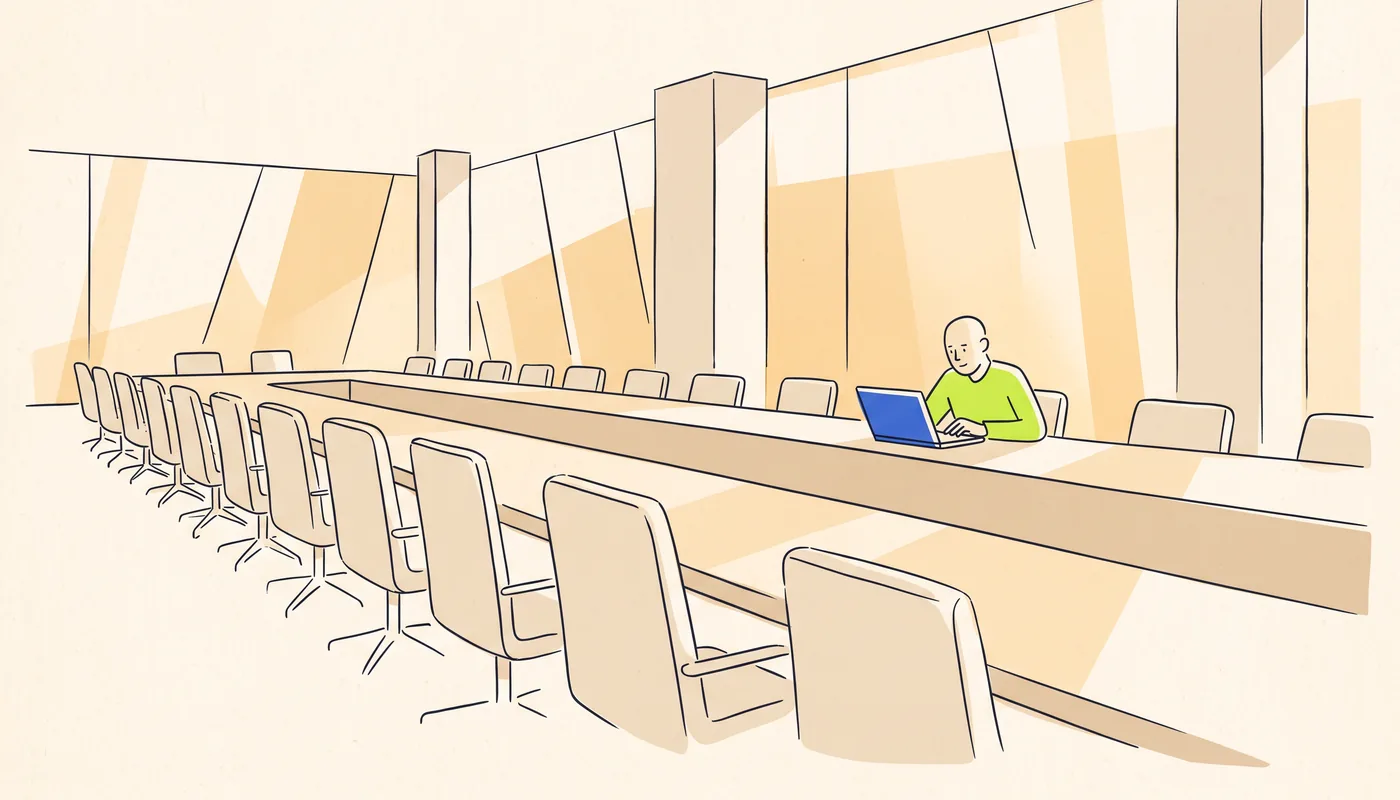
Line the seven up and the same three gaps appear. They measure who you are, not what you actually do each week. They assume you have someone to delegate to or a co-founder to balance your strengths. And none asks which parts of the work you could hand to a tool.
The first gap matters because traits are hard to change and habits are not. A test that says you are low on conscientiousness has told you something true and left you with no solution.
The second gap goes unnoticed because the roundups are written for founders forming teams. Delegator talents, manager reports and founding-team profiles all presume people that a person working alone does not have. That is the same blind spot behind most solopreneur versus entrepreneur comparisons, which draw the line at ambition rather than at how the business is run.
The third gap is new. It changes the maths of working alone.
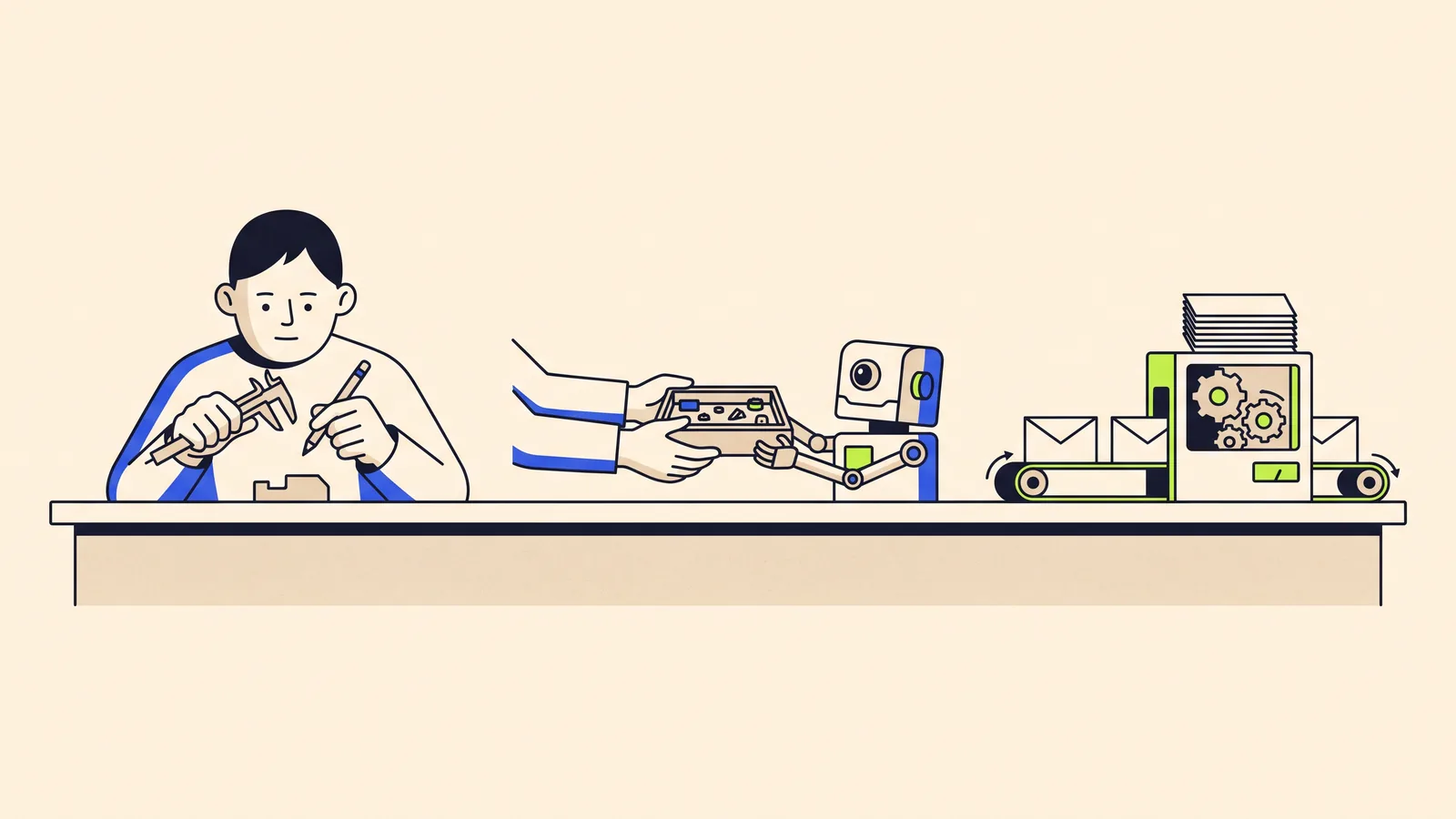
You can now hand a meaningful share of your admin, drafting and number tracking to software, but no personality test asks whether you know what to hand over. We keep a habit-by-habit map of what can go to a tool for exactly that.
What Solobility measures instead, and what it does not
Solobility is a structured self-check of how you run your business, not a personality test. It does not predict how your business will perform. Instead, it looks at six areas: Direct, Design, Delegate, Distribute, Durable and Develop. Each asks a simple question about how you make decisions, organise your work, get help, reach customers, keep going and learn.
Inside those six areas are twenty habits, three or four in each, that you can recognise in an ordinary week. Each has a simple hand-off rating. Some are yours to keep, such as making decisions, checking work and resting.
Some can be shared, such as naming your price and talking about your work. Others can be handed to tools, such as making work repeatable and keeping track of your numbers.
You do not need a helper or AI to score well. The rating simply shows what you could hand off later, if you choose to.
When a florist prices a wedding order by feel, without a written rate and without knowing last month's margin, the habit "you name your price" is thin and the habit "you know your numbers" is thinner.
Solobility's report marks the second as something a tool could carry once it is set up, while the first stays partly with the florist.
Your strongest area gives you a Solo Style, and there are six: Navigator, Architect, Conductor, Messenger, Anchor and Explorer. They are running styles, not types, and when we scramble a third of an answer set, the style moves, which is what a measure of habits should do and a measure of character should not.
The test is 60 short statements and five choice blocks, takes about seven minutes, is free, needs no account, and keeps your answers on your device. Who makes it, and why it is free, is on the about page.
After receiving your report, you can choose to make a few tweaks in your daily tasks, and retake the test in 90 days to see if anything improves.
Habits can change. The score should show it.
How to choose, in one pass
Pick the test by the question you are actually asking.
Do I have the traits that founders tend to have? Take a Big Five test, or the Founder Institute's if you want the outcome-checked version and do not mind the sign-up.
What am I naturally good at, in a language other people use? CliftonStrengths, and pay for the top five unless you plan to hire.
Am I cut out to start something? BDC for the free reference band, Psychology Today if three minutes is all you have. Our own answer to that question is six habits rather than a type.
How am I running the business I already have, alone, and what could I hand to tools? That is the question the others don't ask, and the one we built Solobility for.
You can take the free seven-minute test, then read the six Solo Styles on our styles page to see what your strongest area tends to get right and wrong.
Just curious? Take the ten-minute 16Personalities for the vocabulary, and ignore anything that tries to tell you what business you should be in.
Your next step
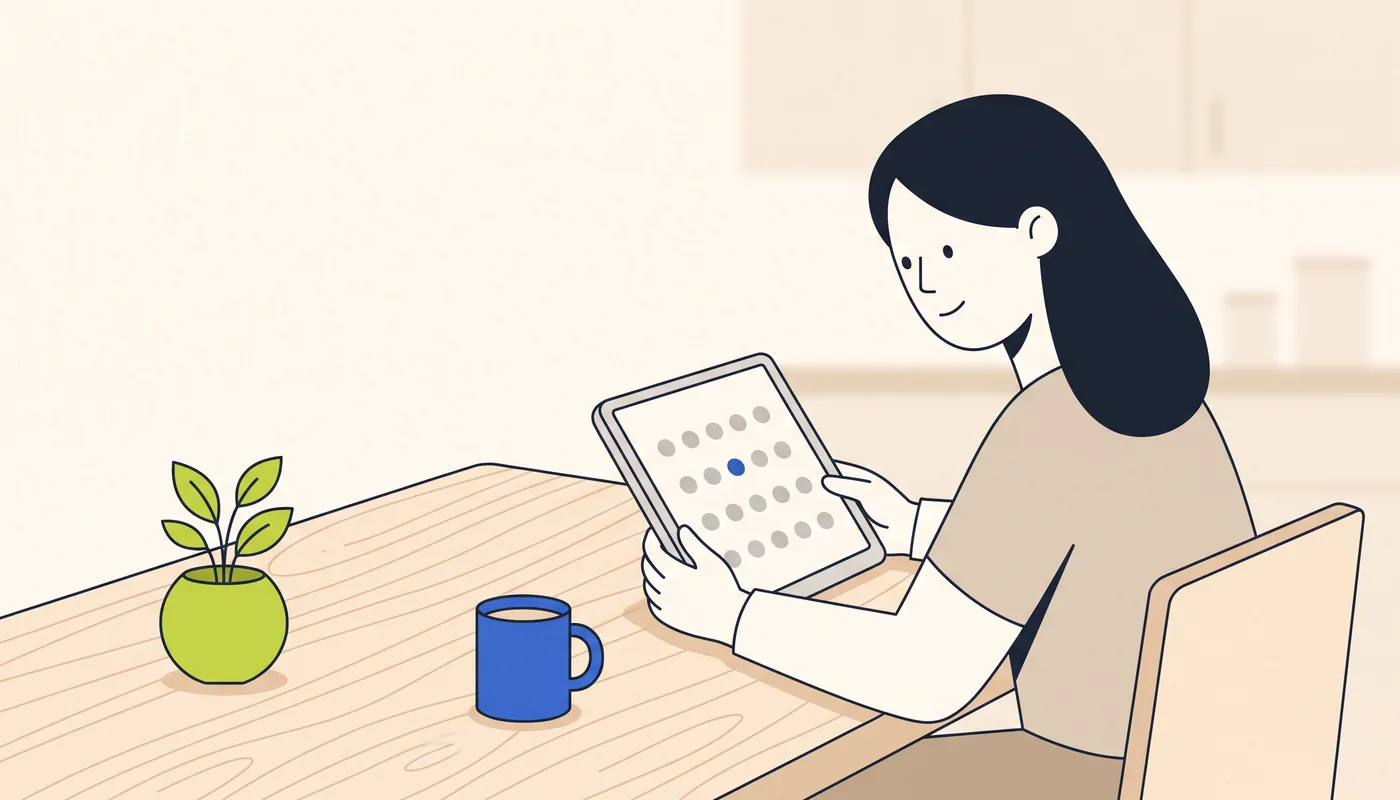
Give yourself seven quiet minutes this week and take the Solobility test. Be honest and answer for an ordinary week, not the version you wish you had. When you get your result, find the habit the report calls not yet built that can also be handed to tools.
Think of it like clearing a cluttered desk. You do not need to organise every drawer before you can make your workspace better. Start by picking up one thing that does not need to be sitting there in the first place.
For a solo operator, that means finding one task you are still doing yourself that a tool could handle, and moving it off your desk.