The Navigator
You pick a path and take the lead.
Knows where to go, moves first.
You know what you want to build and why. You make choices and get started, even when some answers are missing.
Am I a Navigator? Take the testHow you run your business
You have a clear idea of what your business is for. You can say who you help and why the work matters. When a choice comes up, you use what you know. You would rather take a small step than wait for every answer.
Running a business alone gives you room to act. But your pace can leave the basics behind. You may start new work before checking costs, time, or what the buyer needs. A short pause to set things up can save you from doing the work twice.
You choose one goal, check what it needs, and start before lunch. By closing time, you have a clear next step.
You say yes to a new idea before checking your week. Work you already promised gets squeezed into the evening.
Do I know where I am going, and do I move without being pushed?
- You know what you are buildingYou should do this
- You get startedYou should do this
- You make decisionsYou should do this
You do not need a helper or an AI tool to score well. The note on each habit says what could be handed off later, if you ever want to.
- You should do this Nobody else can do this. It stays with you whatever tools you use.
- You may delegate, with frequent checks Someone or something can do it, you look at every one.
- You may delegate, with occasional checks It runs on its own once set up, you spot-check. Until then you do it by hand, and that is fine.
What the Navigator does well
Clear purpose
You can explain what you want to build and why it matters.
Firm direction
You use your goal to choose which work comes next.
First step
You begin useful work without needing a push.
Timely choices
You make a choice with the facts you have, even when some are missing.
Where it slips
May move before the system exists to support the move.
Missing setup
You may begin before checking the steps, costs, and time the work needs.
Untested need
A clear goal can feel so right that you skip asking whether buyers want it.
Loose ends
The next big move can draw you away from bills and promises already due.
With help, if you want it
If you want help, use a person, a tool or an AI assistant to list tasks and track due dates for your plan. Keep the choice of where your business goes with you.
The next 90 days
- Name one goalIn the first month, write one goal for the next 90 days and check it each week.
- Pause before yesIn month two, check time, cost, and buyer needs before each new promise.
- Close the gapsIn month three, spend 10 minutes each Friday checking bills and unfinished tasks.
The Architect. Architect habits give your quick starts clear steps you can use again.
The Anchor. An Anchor's wish to keep a steady pace can feel slow when you are ready to move.
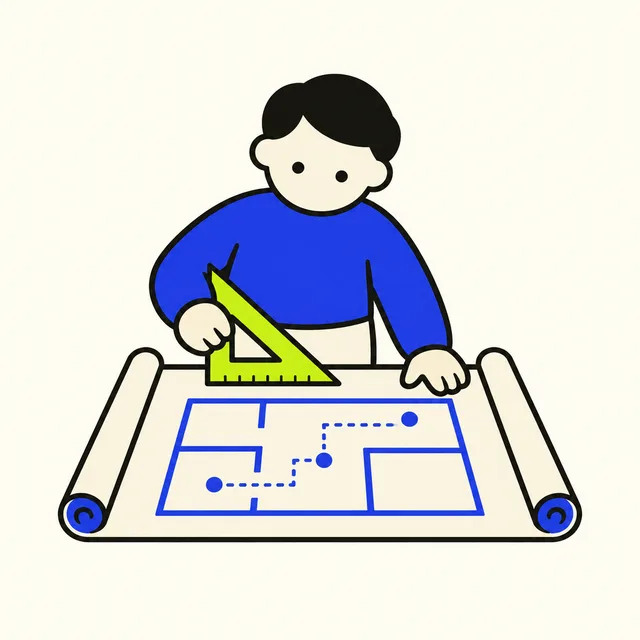 The ArchitectYou build steps that keep working without you.
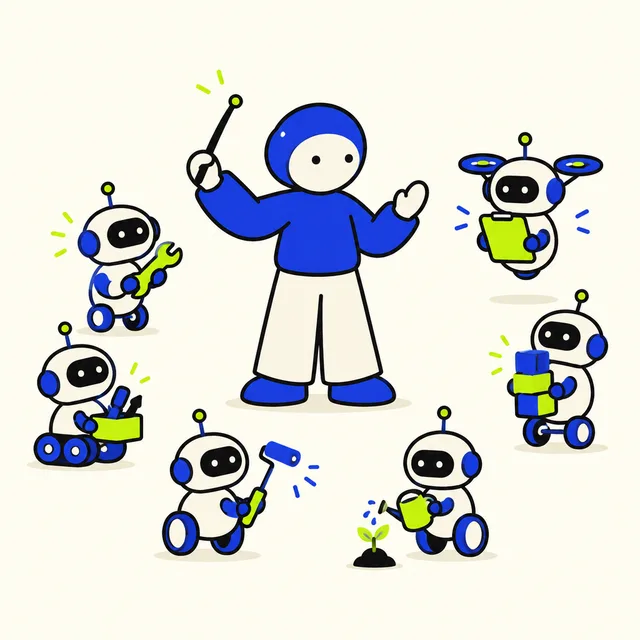 The ConductorYou find useful help and check it closely.
 The MessengerYou show the value and name the price.
 The AnchorYou make room for work, rest, and people.
 The ExplorerYou try, notice, and change what needs work.